ACUTE INTERNAL MEDICINE
Acute medicine in Malaysia.
Where speed meets system thinking, and expertise meets impact. Rapid assessment, stabilisation and coordinated care for acutely ill and complex medical patients.
Explore the five domains ↓Upcoming events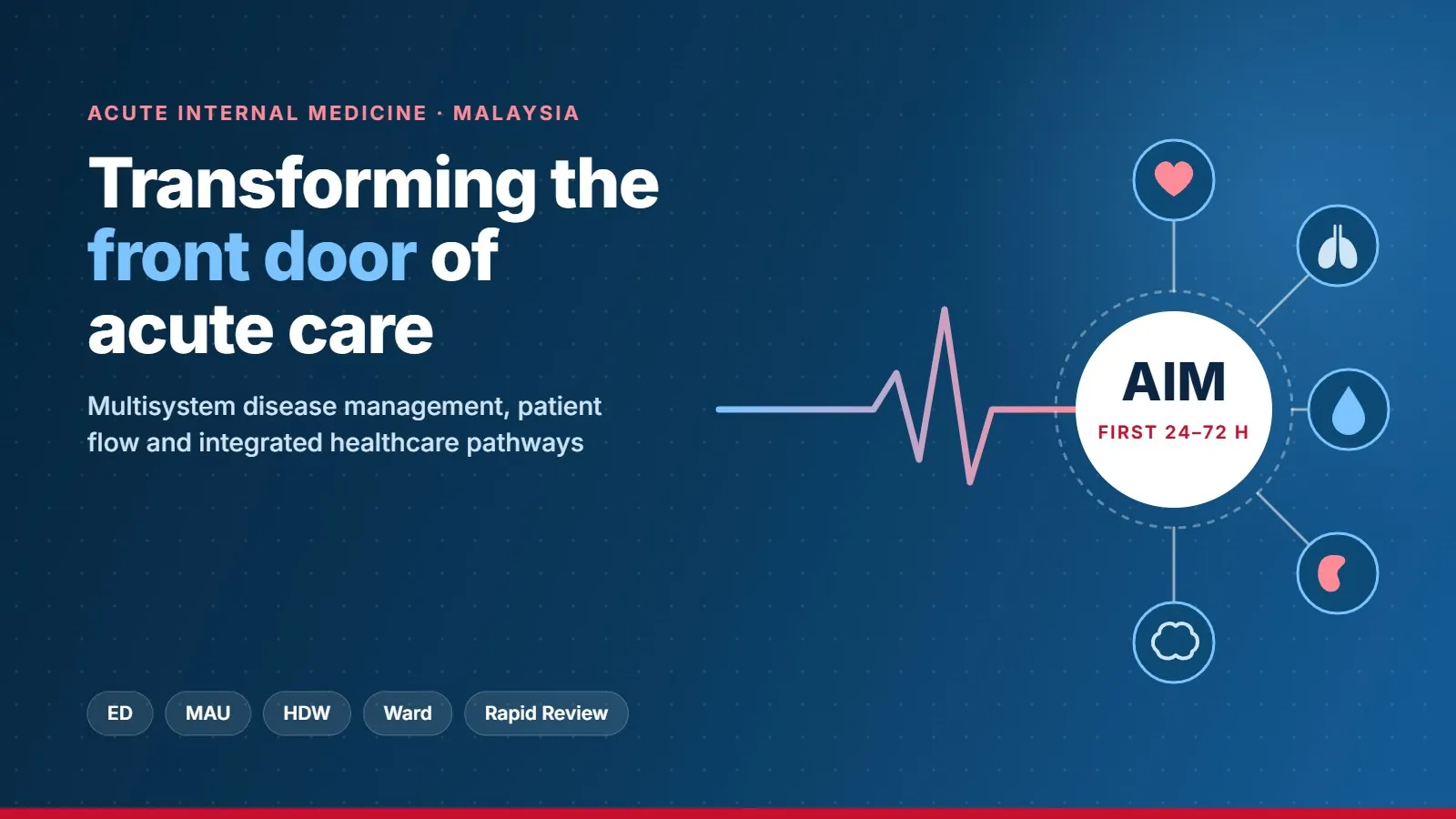
HOW IT WORKS
How acute medicine works in Malaysian hospitals.
Acute Internal Medicine (AIM) in Malaysia is a system-based, patient-centred, high-impact model designed to deliver rapid assessment, stabilisation and coordinated care for acutely ill and complex medical patients — across the entire continuum of hospital services.
Malaysia’s national Acute Internal Medicine framework integrates five core domains that work across inpatient and outpatient settings, ensuring efficiency, safety and measurable outcomes.
01 / FRONTLINE CARE
Managing complexity at the frontline.
Acute Medicine treats acutely ill, undifferentiated patients across all organ systems, delivering rapid assessment and early intervention. Care spans critical care units, acute medical units, general wards and outreach services.
This model ensures early senior input, effective risk stratification and smarter bed utilisation, reducing delays and complications.
Scope includes:
- Complex multi-system patient presentations
- Acute thrombolysis and rapid interventions
- Rapid diagnostic and treatment decisions
02 / INTEGRATION
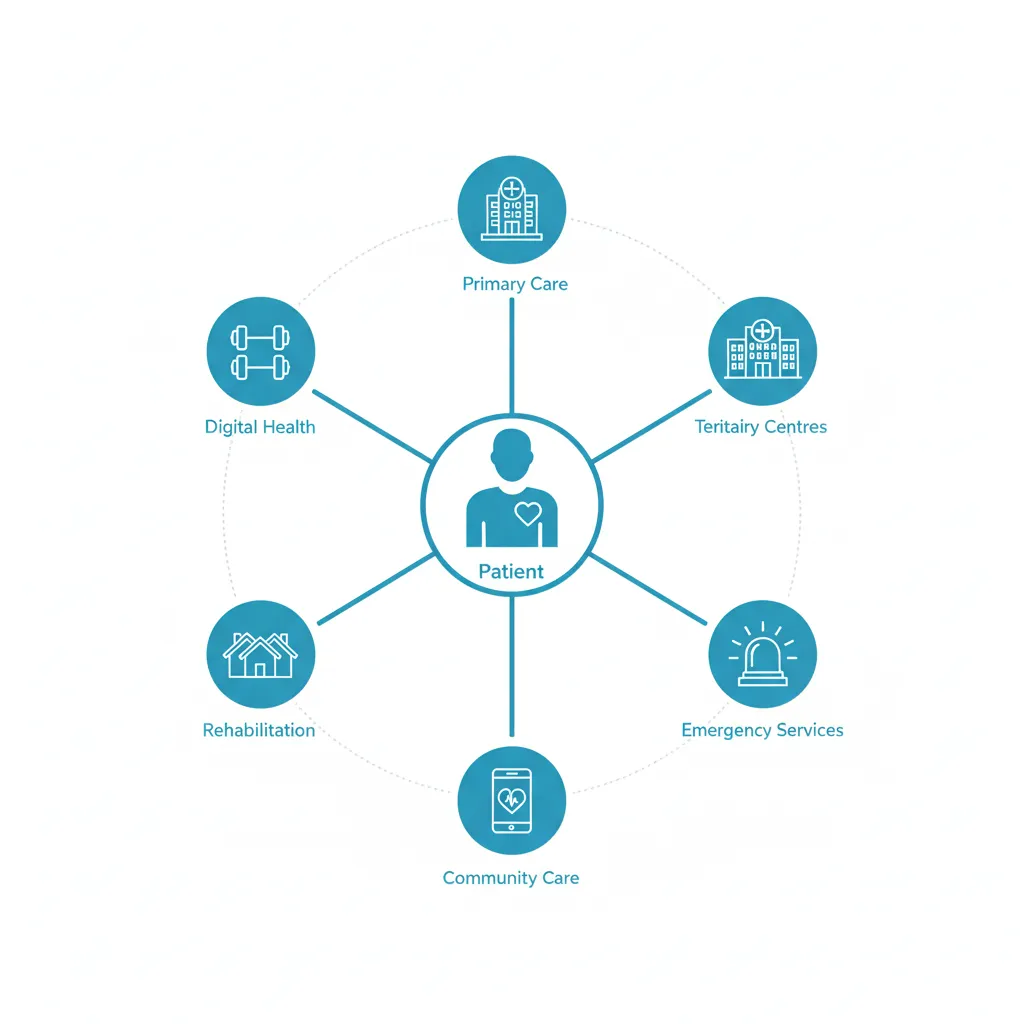
Bridging wards and care units.
AIM physicians operate as the vital link between general wards and critical care, recognising deterioration early and orchestrating seamless escalation. This integrated approach improves patient flow, prevents ICU bottlenecks and maintains safety throughout the continuum of care.
- Intensive care management
- Early recognition of deterioration
- Coordinated escalation protocols
03 / LONGITUDINAL CARE
Beyond the acute episode.
Acute Medicine continues after discharge through FAST clinics and other specialty clinics, managing both the sequelae of acute illness and chronic, complex medical conditions. This continuity reduces readmissions and ensures structured, high-value follow-up.
04 / PROCEDURAL SKILLS
Procedural mastery at the bedside.
Bedside competency matters. AIM physicians bring diagnostic and procedural skills directly to the patient.
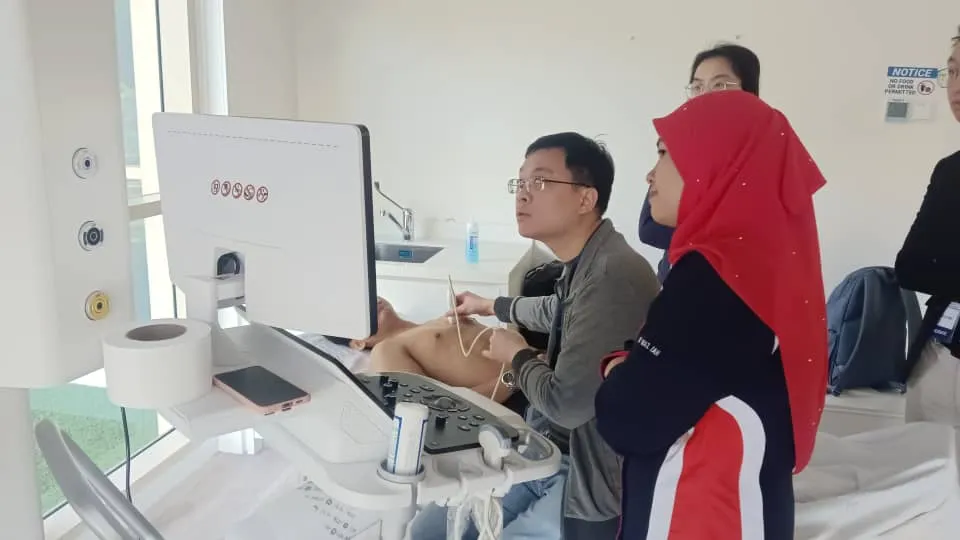
ULTRASOUND
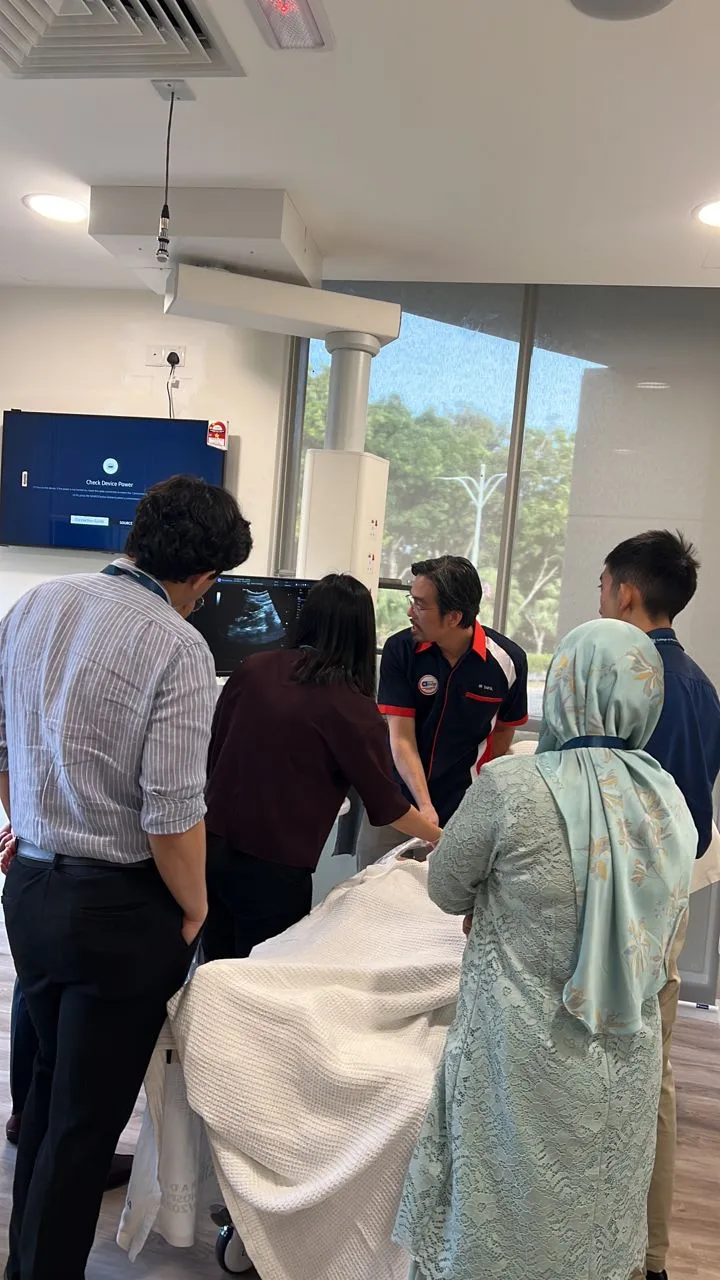
Point-of-care ultrasound (POCUS)
POCUS enables timely diagnosis at the bedside without unnecessary referrals or delays.
MyAIMS POCUS courses →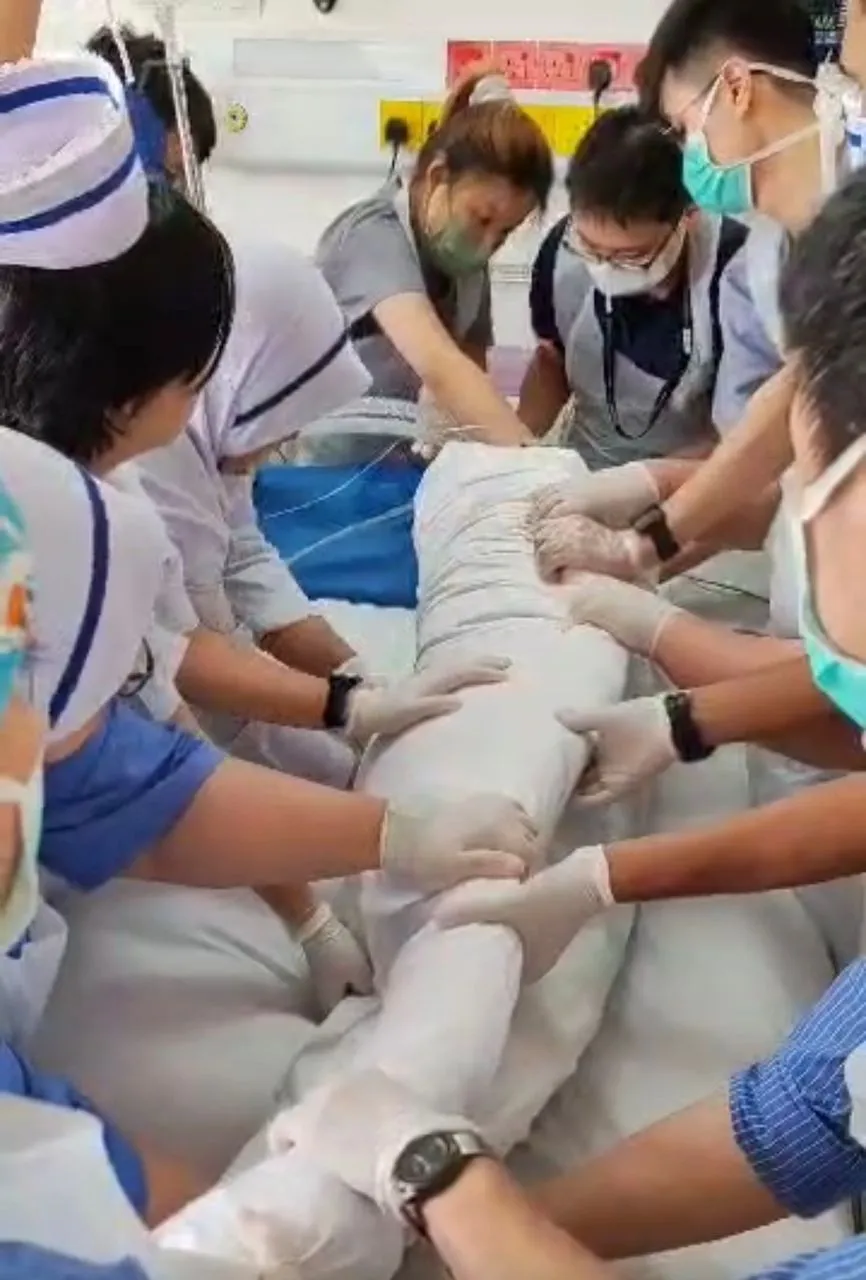
RESUSCITATION
Advanced life support
Life support skills for critical moments.
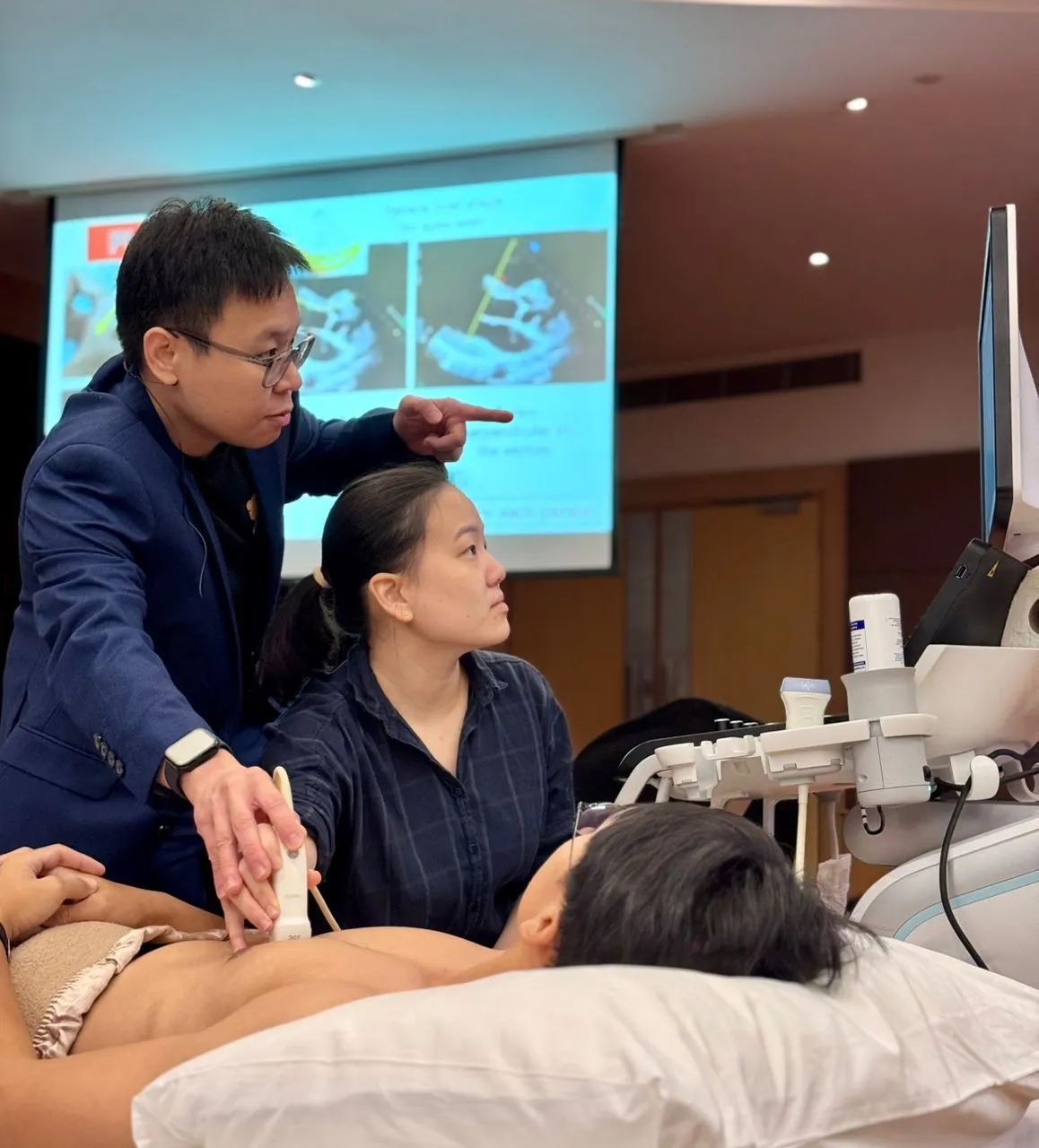
IMAGING
Diagnostic echocardiography
Assess cardiac function and guide acute haemodynamic decisions.
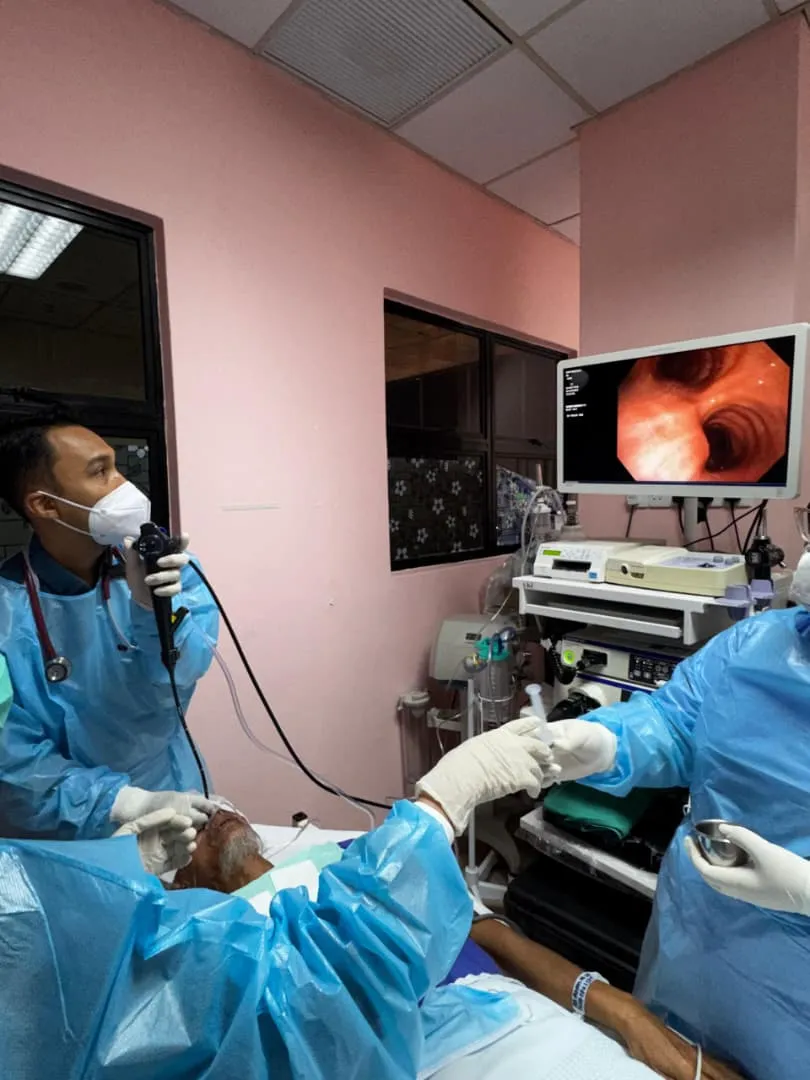
PROCEDURES
Diagnostic bronchoscopy
Airway visualisation for rapid respiratory assessment.
PROCEDURES
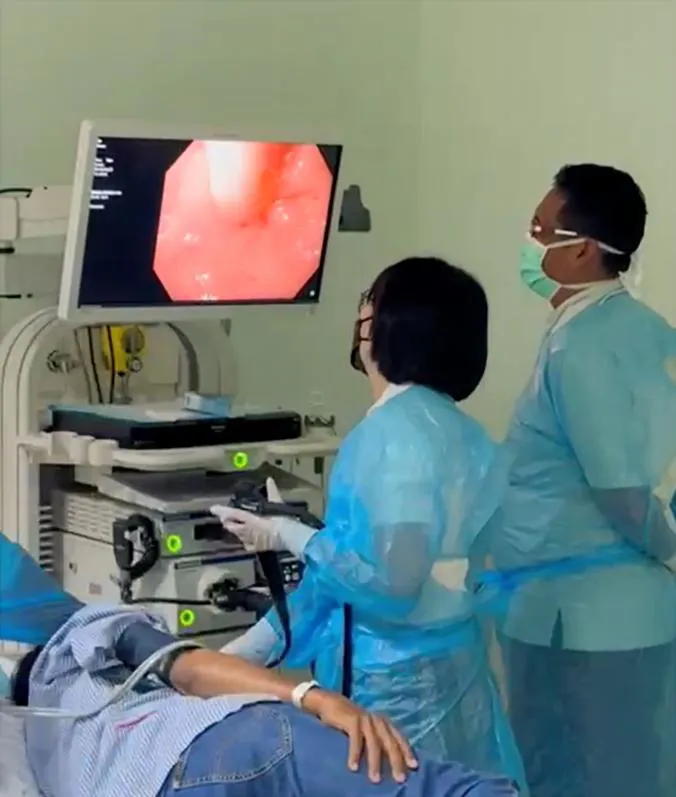
Diagnostic upper endoscopy
Direct visual assessment of the upper GI tract for rapid diagnosis.
05 / SYSTEM LEADERSHIP
Professional development and governance.
Acute medicine is not only clinical — it is organisational.
Medical management and leadership
Shaping the future of acute medicine.
Medical education and training
Building the next generation of acute physicians.
Patient safety and quality assurance
Standards that protect and improve care.
WHY IT WORKS
A model built for patients and hospitals.
01 / LEAN
Optimised bed use and patient flow
Malaysia’s acute medicine model reduces waste and makes the best use of resources. Every decision moves patients forward without unnecessary delays or complications.
02 / CONNECTED
Seamless care across all hospital levels
From the emergency department to outpatient follow-up, AIM ensures continuity without fragmentation. Patients move through the system with purpose and coordination.
03 / CAPABLE
Multi-skilled physicians, fewer delays
AIM physicians master diverse competencies, delivering timely diagnosis and treatment at the bedside. Expertise stays close to the patient where it matters most.
JOIN THE CONVERSATION
Learn more about acute medicine.
Join our teaching events, read our publications, and connect with acute medicine specialists across Malaysia.
Upcoming events →Contact us